
The King's New Clothes
Fri, Apr 17, 2026 - By Jake Ellis
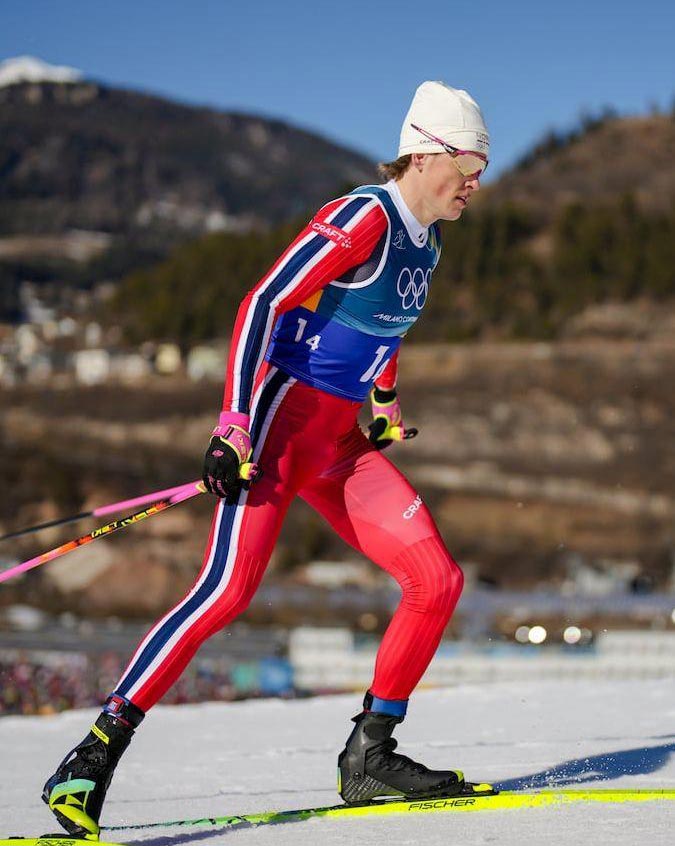
Did you notice anything interesting about Klaebo's ski suit from the Olympics? If you're a cyclist, it probably stuck out like a sore thumb! The all conquering Norwegian and his team were all enjoying an aero advantage built right into their uniforms.
Have aerodynamics finally come to Nordic skiing?
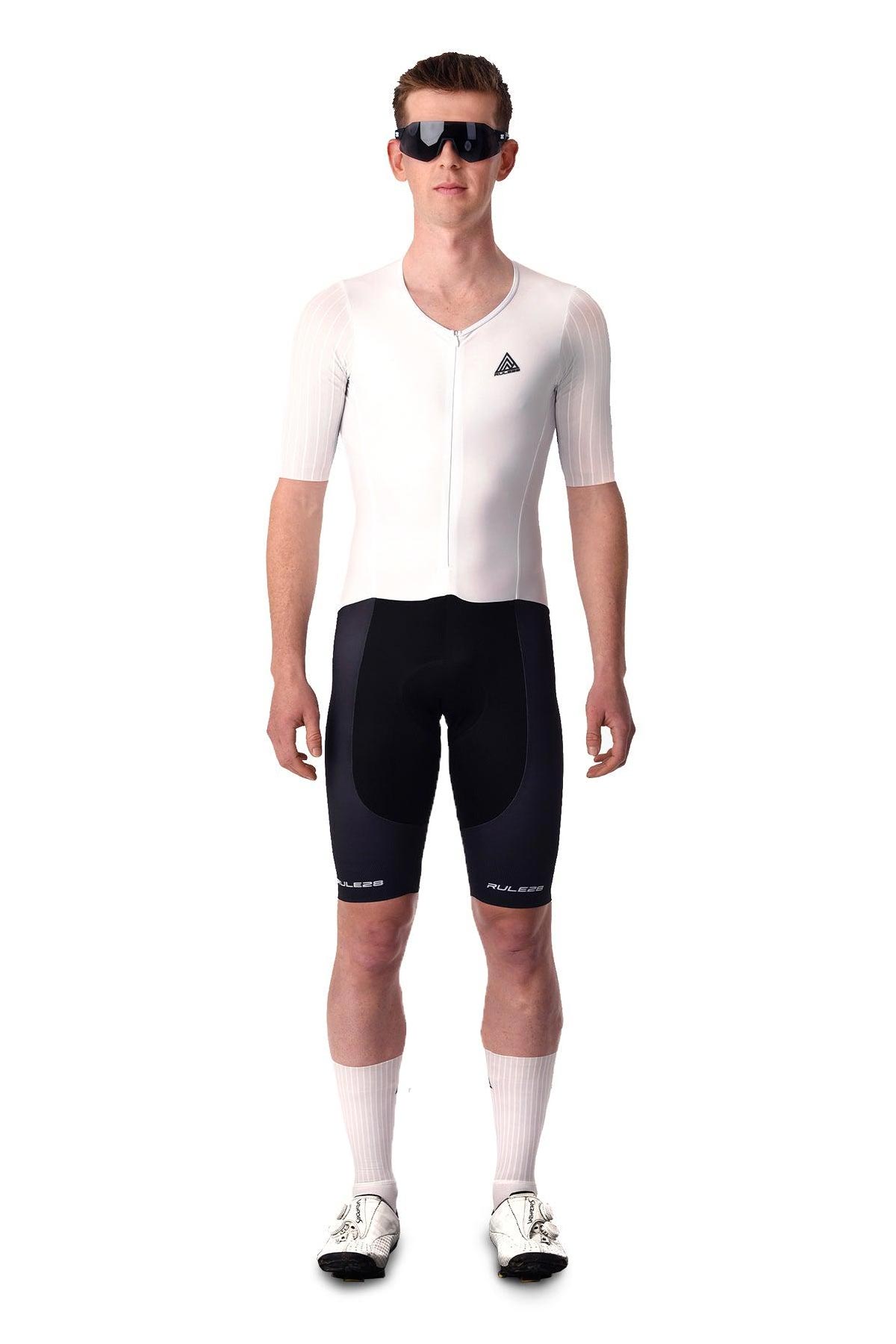
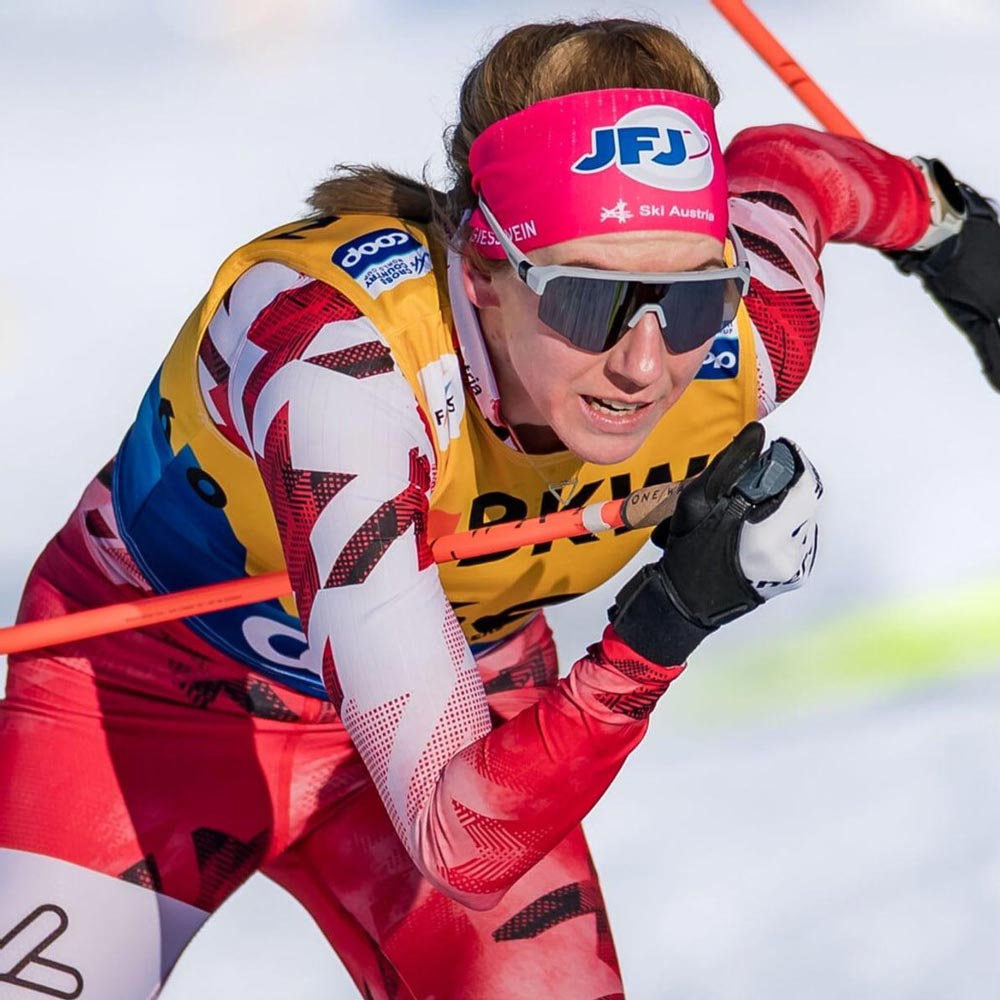
The Norwegians weren't the only ones. The French and Austrian skiers were clad in the same wind cheating textures. So, what is it? On a skier's arms and legs, a �ribbed� textured fabric that creates a turbulent boundary layer, decreases the low pressure drag behind the object, and reduces �skin� friction. Bike racers are decked out in this stuff; socks, shoe covers, gloves, sleeves, etc., and it works!
"Skiers are too slow for aero"
The common response to questions of aerodynamics in the Nordic skiing community has been that skiers aren't fast enough to get tangible benefits from aero optimized equipment.
It is true that average speeds for skiers are not as high as a cyclist's or a speed skater's, but when ski races are regularly contested within hundredths of a second, any advantage in speed and/or energy savings can change the outcome at the finish line. Besides, a skier's ground speed is only half of the equation. If you were skiing 5 mph (ground speed, not very fast) into a 15 mph headwind, your effective air speed would be 20 mph, and you would be experiencing the same drag forces as a skier traveling at 20 mph (ground speed, pretty fast) with no wind. Downhill sections of the race course and sprint finishes are already skied at speeds high enough to benefit from aero optimization, and because air speed is the factor, not ground speed, even slow speed skiing can benefit from aerodynamically optimized gear.
What could be next?
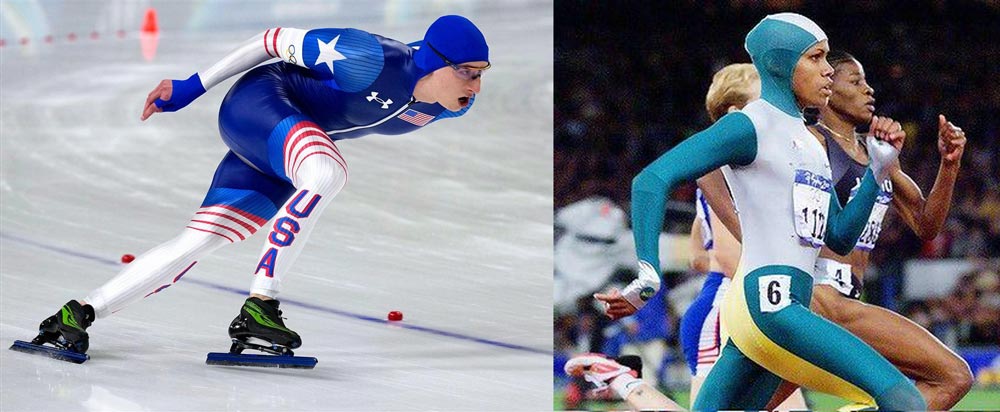
I predict that all elite and World Cup level skiers will soon adopt suits with aerodynamically optimized fabrics. The next evolution could be suits that look more like a speed skater's race suit, with a built-in hood and stirrups that cover the tops of ski boots. Straps and gloves could be integrated further and made more streamlined. Top shelf ski boots have recently started to feature BOA dials, which have just as recently been tested and shown to be less aero than other closure systems for cycling shoes, so that may have been a step in the wrong direction (ironically, the slightly cheaper boots with laces zipped up under the outer are almost certainly faster aerodynamically).